
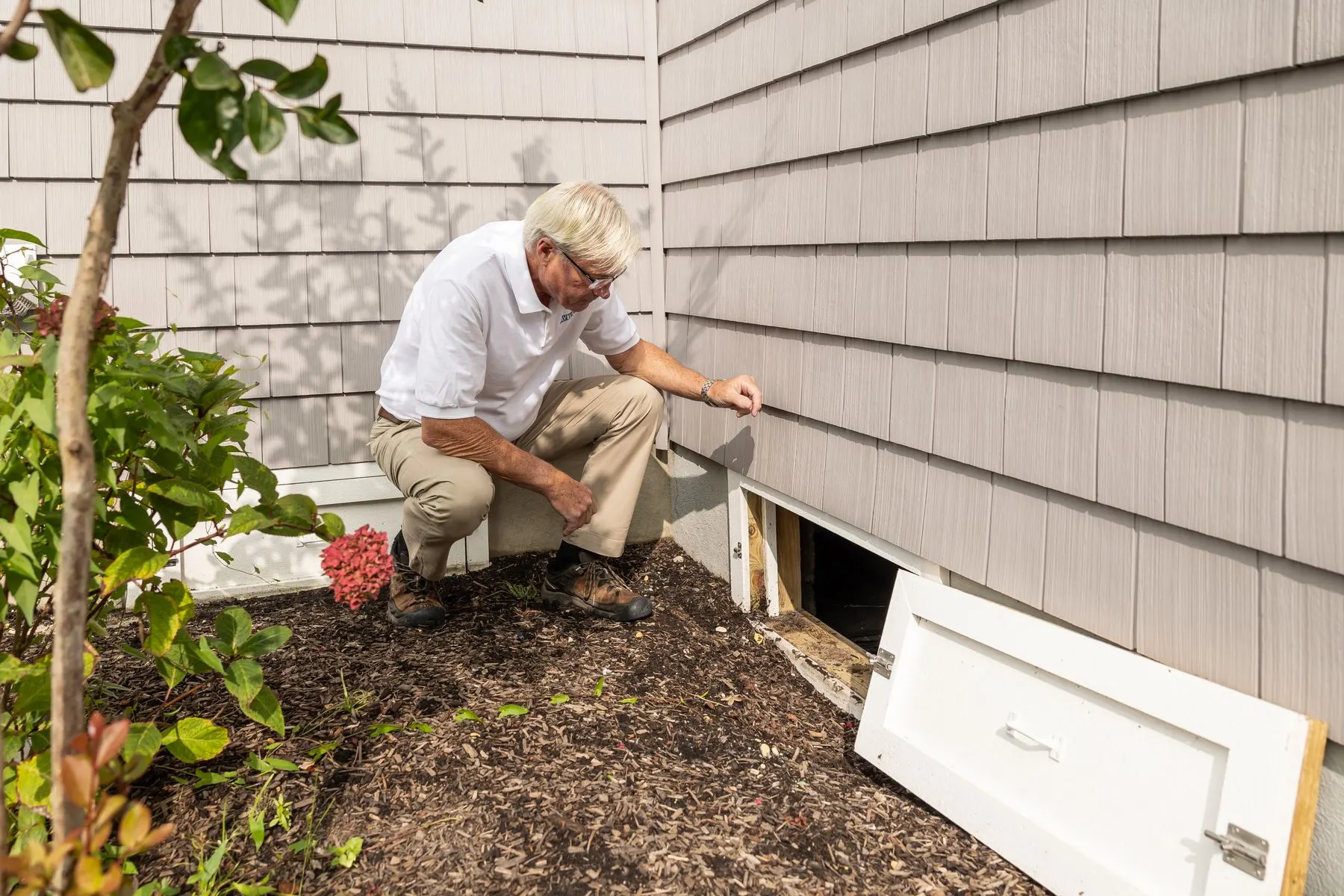
With AZ Dryer Pros, an airflow check is part of every visit in Arizona, including the $79 standard cleaning. If a buyer, inspector, landlord or HOA asks for it in writing, a written report with the findings and photos is available with the visit and priced with it, so you know the full price before we start. If you say no to any extra work we find, you only pay for what you approved.
What we check
- Airflow at the outside hood with the dryer running
- The transition hose behind the dryer: material, length, crushing
- Connections at the dryer and the wall
- The outside hood or roof cap and its flap
- The route: approximate length, elbows, where it goes
- Signs of lint where it shouldn't be, nests or disconnected duct
Inspections for home sales
Home inspectors often note a foil or plastic hose, a hood that won't open, or lint at the outside vent and recommend a dryer vent specialist. We look at those items, fix what you approve, and give you a written record of what we found and what was done, with photos, so you can pass it to the other side.
HOA and landlord requests
Some Arizona HOAs and property managers ask residents for proof that the dryer vent has been cleaned, especially in condos where one clogged vent affects neighbors. A written report with the address, date, airflow results and photos covers that. Property managers can book several units together.
What a report is, and isn't
It records what we saw and measured on the day: airflow, condition, photos and anything we fixed. It's not a full home inspection or a code inspection, and we don't inspect the dryer itself, gas lines or the roof. Where we see something outside our work, we note it so you can call the right trade.
How a visit works
- Book and mention the report. Tell us who it's for: a sale, an HOA, a landlord, or just you.
- Inspect and measure. Airflow, hose, connections, hood and route, with photos.
- Price any fixes. Exact prices for anything we find. You choose what gets done.
- Report. Findings, photos and work done, written up for you to pass on.
Sources: U.S. Fire Administration, clothes dryer fire safety; International Residential Code M1502.4.5.1 (2015/2018).